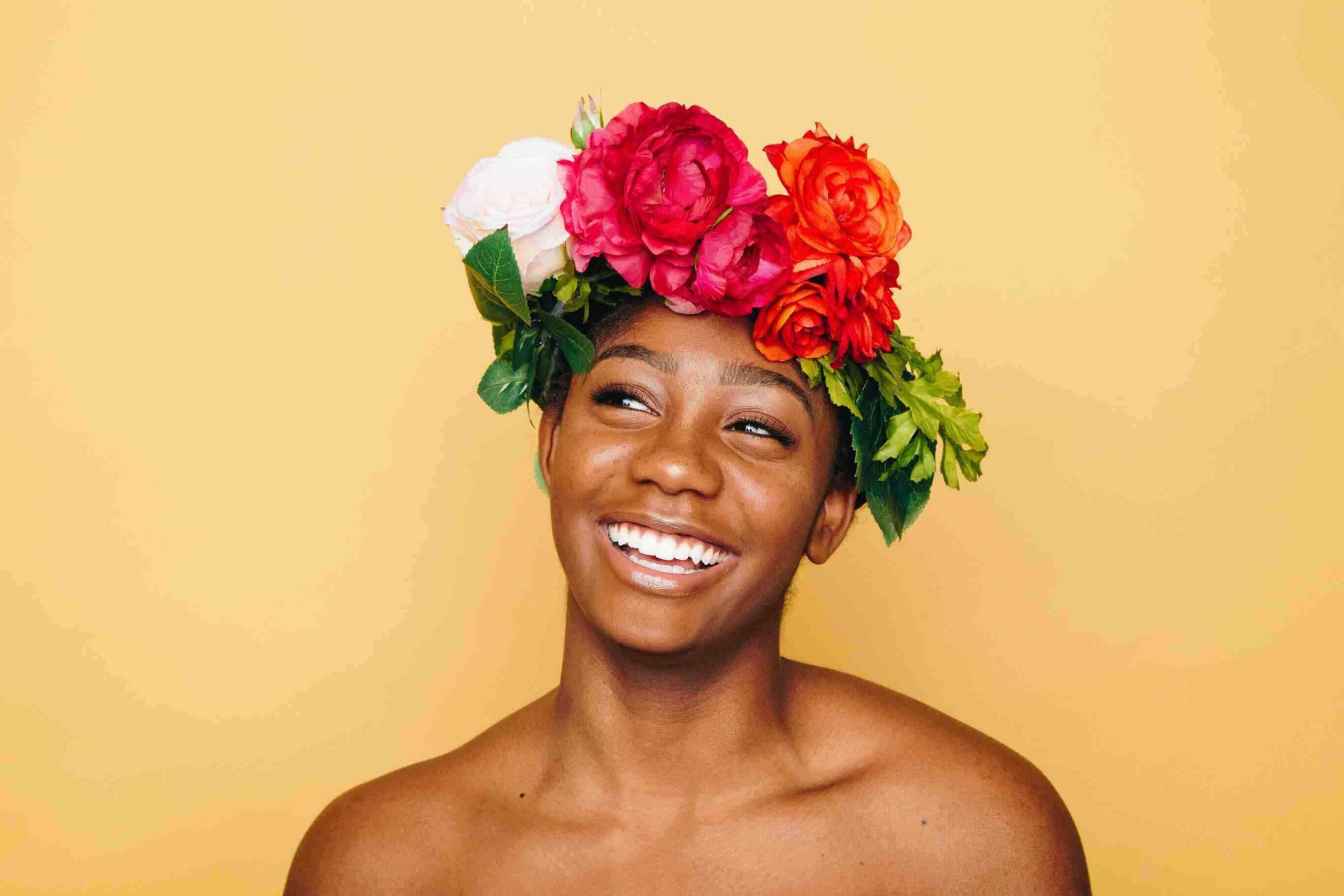
From theater and live music to fashion, film, art and HBCU homecoming culture, Atlanta’s fall entertainment season is another reminder that Black creativity doesn’t simply have a place in this city—it helps define it.
EDITORIAL COPY — Publish This
There are cities where Black entertainment comes to visit. And then there is Atlanta.
Here, Black culture isn’t confined to one festival weekend, one neighborhood or one stage. It is woven into the city’s identity. Music, film, television, theater, fashion, comedy, art and nightlife all carry the influence of generations of Black Atlantans—and every fall, that influence seems to become especially visible.
The weather begins to cool, homecoming season arrives, theaters launch new productions, concert calendars fill up and Atlanta reminds us why it remains one of the country’s most important centers of Black culture and entertainment.
For Black women in particular, there is something exciting about watching the city’s creative landscape continue to expand. We aren’t only appearing on the stage or in front of the camera. Black women are producing, directing, writing, designing, managing, promoting, financing and building the businesses that make Atlanta’s entertainment economy move.
So what should be on your radar this fall?
Quite a bit.
Black Theater Is Having Its Moment
Atlanta has long been a city where Black stories can live onstage, and Fall 2026 offers several opportunities to experience that tradition.
At the Alliance Theatre, Purpose runs through September 20. The Pulitzer Prize- and Tony Award-winning drama centers on an influential multigenerational Black family gathering for a celebratory dinner—a setting that opens the door to questions about family, faith, legacy and responsibility.
Meanwhile, Kenny Leon’s True Colors Theatre Company continues its commitment to telling expansive Black stories with Tank Stranger, running September 15 through October 4 at the Southwest Arts Center. The world premiere combines Afrofuturism, Black folklore and theatrical storytelling and launches the final year of the company’s “Blackness Is Not a Monolith” series. True Colors will follow it October 9–11 with a distinctive production of August Wilson’s Jitney, performed by an all-Black Italian cast.
These productions matter because representation isn’t simply about seeing Black faces on a stage. It is about having room for the complexity of Black life—the joy, contradiction, humor, history, family dynamics, imagination and humanity of our experiences.
Atlanta audiences have the opportunity to support that work in real time.
Music Still Runs Through Atlanta’s Veins
You can’t talk about entertainment in Atlanta without talking about music.
Hip-hop may be one of the city’s most famous exports, but Atlanta’s musical identity has always been broader than one genre. R&B, gospel, jazz, soul, trap and Southern music all live here, sometimes on the very same weekend.
The fall calendar reflects that range. Take 6 comes to the Rialto Center for the Arts on October 2, followed by Smokey Robinson at the Fox Theatre on October 3. Later in the season, Atlanta’s annual ONE Musicfest brings together multiple generations and genres, with the city’s tourism organization highlighting its mix of hip-hop, R&B, soul, house, trap and old-school music.
That multigenerational quality is important.
Atlanta entertainment isn’t only designed for twenty-somethings.
There is a grown-woman audience in this city that still wants to dress up, hear great music, enjoy dinner, attend a concert, laugh, dance and experience Atlanta. Women in their 40s, 50s, 60s and beyond don’t stop participating in culture because another birthday arrives.
And entertainment companies would be wise to remember them.
Black Art Is Part of the Entertainment Conversation, Too
Entertainment doesn’t always require a microphone or movie screen.
Sometimes the experience is walking into a room filled with art, fashion, music and people who understand the cultural significance of what they are seeing.
On October 4, the National Black Arts Festival will host its second annual Fall For Brunch at Hotel Phoenix Atlanta. The event brings together art, culture, style, food and live performance while supporting NBAF’s mission of championing Black artistic expression. This year’s program includes young harpists from Drew Charter School, poet Adán Bean, The Community Choir and music from Frank Ski.
That’s part of what makes Atlanta’s Black entertainment scene so interesting. The lines between entertainment, culture, entrepreneurship and community often intersect.
A brunch can support the arts.
A fashion event can introduce a new designer.
A theater production can preserve history.
A concert can become a reunion.
And a community festival can introduce thousands of people to an artist or business they had never encountered before.
Fashion Belongs in the Conversation
Atlanta’s creative economy also includes designers, stylists, makeup artists, photographers, models and beauty professionals whose work often operates alongside the entertainment industry.
Atlanta Fashion Week is scheduled for October 1–4, adding fashion to an already busy early-October cultural calendar.
For RWAM, that’s especially worth watching.
Some of the most interesting stories aren’t necessarily sitting in the front row. They may be backstage.
Who styled the show?
Who designed the collection?
Who did the makeup?
Who owns the brand?
Who coordinated production?
Who is the Black woman who has been quietly building her business for ten years and is finally receiving the room she deserves?
Those are the stories we should be looking for.
Because celebrity may attract attention, but an entire ecosystem of people makes entertainment possible.
Then Comes Homecoming Season
If you live in Atlanta, you already know.
Homecoming isn’t simply a football game.
It’s culture.
Atlanta’s HBCU community gives the city an energy few places can duplicate. Each fall, students, alumni, families and visitors gather around institutions including Morehouse College, Spelman College and Clark Atlanta University, and the celebrations extend far beyond campus.
Discover Atlanta’s Black cultural events guide identifies Atlanta University Center homecoming as one of the city’s signature October cultural experiences, drawing HBCU alumni, current students and visitors for a week of events.
The significance goes deeper than parties.
HBCUs have helped produce generations of Black leaders, artists, executives, entrepreneurs, journalists, educators and creatives. Homecoming becomes a celebration of that legacy as much as a celebration of the schools themselves.
And nowhere does that combination of history, fashion, music, networking and Black excellence quite look like Atlanta.
Don’t Just Watch the Stars—Watch the Women Building the Industry
This is where Real Women Atlanta Magazine looks at entertainment a little differently.
Of course we appreciate the performers everyone knows. But some of the most compelling stories in Atlanta belong to women whose names aren’t yet on billboards.
Watch the independent filmmaker trying to get her first project distributed.
Watch the stylist dressing some of Atlanta’s biggest personalities.
Watch the playwright producing her own work.
Watch the photographer building a visual brand.
Watch the makeup artist who has turned her talent into a company.
Watch the promoter creating spaces for grown women to enjoy themselves.
Watch the producer working behind the camera.
Watch the costume designer, casting director, publicist, choreographer, content creator and entertainment attorney.
Watch the woman doing extraordinary work before the rest of the world learns her name.
That’s the woman RWAM wants to know.
Atlanta Is Still Creating What’s Next
Atlanta’s influence on Black entertainment wasn’t built overnight, and its future won’t be defined by one television series, artist or festival.
Its power comes from an ecosystem.
Established icons stand beside emerging creatives. HBCU traditions coexist with new digital platforms. Historic theaters share the cultural calendar with intimate performance spaces, fashion events, film screenings, festivals and neighborhood experiences.
And Black women are woven throughout all of it.
So this fall, don’t simply ask, “Who’s performing?”
Ask who produced it.
Ask who designed it.
Ask who wrote it.
Ask who owns it.
Ask who is creating something the city hasn’t seen before.
Because somewhere in Atlanta right now, there is a Black woman working behind the scenes on something that people may be talking about next year.
And when her moment comes, Real Women Atlanta Magazine wants to be there to tell her story.
Written by Jasmine Carter